
Bridging the Neurobiological Gap: Understanding ADHD and Autism Comorbidity

Living with a neurodevelopmental condition can feel like navigating a complex maze. When two conditions like ADHD and autism occur together, it can be even more challenging to understand what’s happening and how to find the right support. I want to walk with you through this journey, sharing insights that can help you or your loved ones feel seen, understood, and empowered.
What Does It Mean to Have Both ADHD and Autism?
You might already know that ADHD (Attention Deficit Hyperactivity Disorder) and autism spectrum disorder (ASD) are distinct conditions. But when they appear together, it’s called comorbidity. This means the brain is managing two sets of challenges at once, which can affect attention, social skills, sensory processing, and emotional regulation.
For example, someone with ADHD might struggle with impulsivity and staying focused, while autism might bring difficulties in social communication and sensory sensitivities. When these overlap, it can sometimes feel overwhelming or confusing. You might notice:
Difficulty following conversations or social cues
Challenges with organization and time management
Sensory overload in busy environments
Emotional ups and downs that feel hard to control
Understanding this overlap is the first step toward finding strategies that work for you.
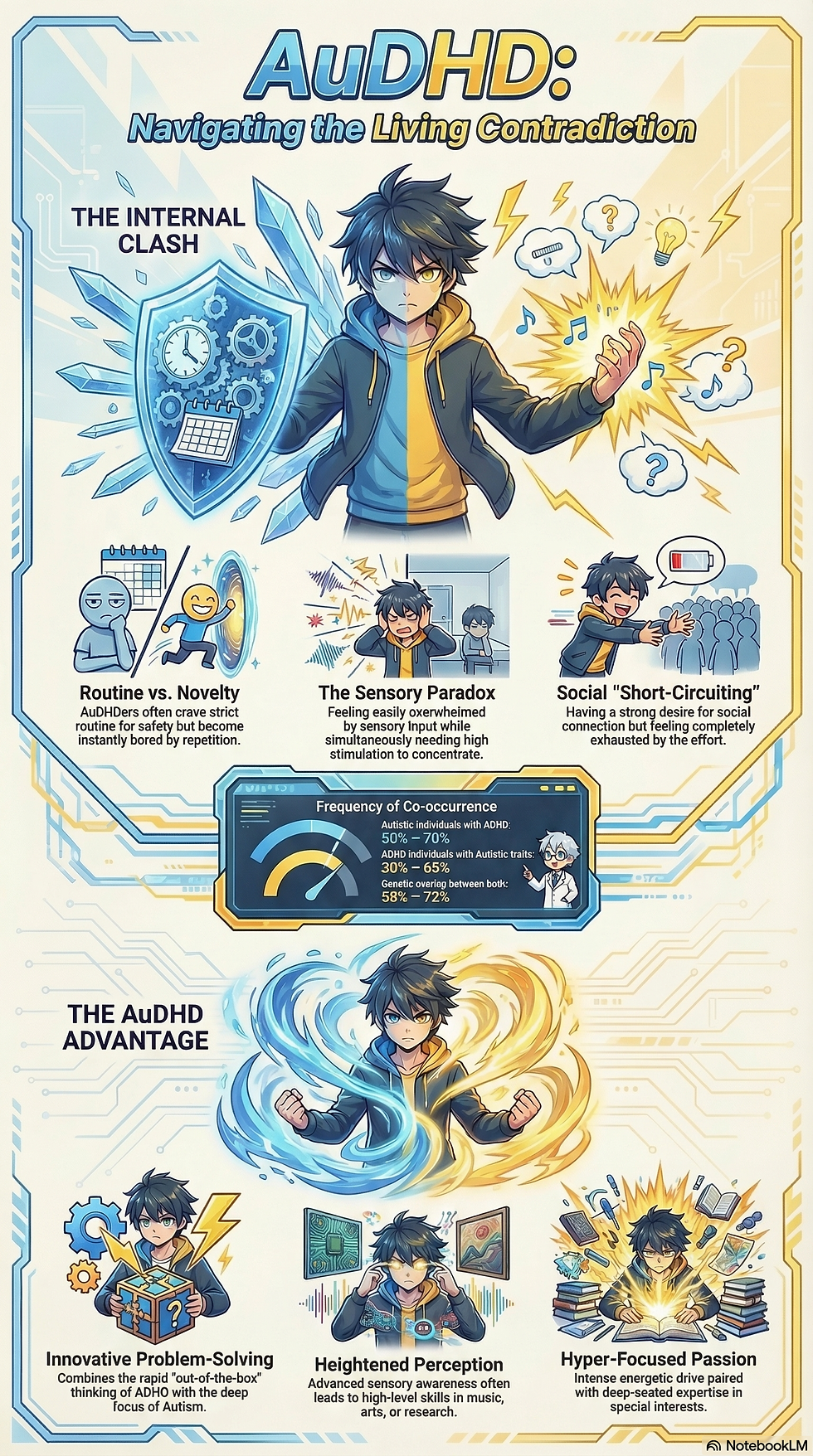
How Can You Recognize the Signs?
Recognizing the signs of both ADHD and autism can be tricky because some symptoms look similar. For instance, both conditions might involve difficulty with attention or social interaction. But there are subtle differences that can help you identify what’s going on.
Here are some signs to watch for:
Attention and Focus: ADHD often causes a fluctuating attention span, where you might hyperfocus on something interesting but struggle with tasks that feel boring. Autism might involve intense focus on specific interests but difficulty shifting attention.
Social Interaction: Autism usually involves challenges with understanding social cues, making eye contact, or interpreting emotions. ADHD might cause impulsive interruptions or difficulty waiting your turn.
Sensory Sensitivities: People with autism often experience heightened sensitivity to sounds, lights, or textures. ADHD can also involve sensory issues but might be less intense or more related to seeking stimulation.
Emotional Regulation: Both conditions can make it hard to manage emotions, leading to frustration, anxiety, or mood swings.
If you see these signs in yourself or someone you care about, it’s important to seek a professional evaluation. A thorough assessment can help clarify the picture and guide the best support.
Navigating Daily Life with ADHD and Autism
Living with both ADHD and autism means you might face unique challenges in everyday situations. But it also means you have a unique perspective and strengths that can be nurtured.
Here are some practical tips to help you manage daily life:
Create Structure: Use planners, reminders, or apps to organize your day. Visual schedules can be especially helpful if you’re a visual learner.
Break Tasks Into Steps: Large tasks can feel overwhelming. Breaking them down into smaller, manageable steps can make them easier to tackle.
Build Sensory-Friendly Spaces: Designate a quiet, comfortable area where you can retreat when sensory overload happens.
Practice Mindfulness: Simple breathing exercises or mindfulness techniques can help calm your mind and regulate emotions.
Seek Support: Don’t hesitate to reach out to therapists, support groups, or trusted friends who understand your experience.
Remember, it’s okay to ask for help and take things at your own pace.

How Therapy and Treatment Can Help
Finding the right treatment can feel like a puzzle, but there are many options that can support your well-being. Therapy tailored to your needs can make a big difference.
Behavioral Therapy: Helps develop coping skills, improve social interactions, and manage impulsivity.
Occupational Therapy: Focuses on sensory integration and daily living skills.
Medication: Sometimes prescribed to manage symptoms like attention difficulties or anxiety.
Social Skills Training: Builds confidence in social situations and communication.
Telemedicine Options: Convenient access to care from home, which can be especially helpful if sensory sensitivities make travel difficult.
At Refresh Psychiatry and Therapy, we believe in personalized care that respects your unique experience. We work with you to create a treatment plan that fits your life and goals.
Embracing Your Strengths and Building a Supportive Community
Living with ADHD and autism is not just about challenges - it’s also about recognizing your strengths. Many people with these conditions are creative, detail-oriented, and have deep passions that enrich their lives and those around them.
Building a supportive community can help you feel connected and understood. Here are some ways to find your tribe:
Join online or local support groups focused on neurodiversity.
Connect with others who share your interests or experiences.
Educate friends and family about your needs and how they can support you.
Advocate for yourself in school, work, or healthcare settings.
You are not alone on this path. Together, we can bridge the neurobiological gap and create a world where everyone’s brain is valued.
If you want to learn more about how to navigate these conditions or find support, consider visiting Refresh Psychiatry and Therapy for compassionate, accessible care tailored to you.