
🧘♂️Finding Balance: Understanding Work-Life Balance and Burnout Culture

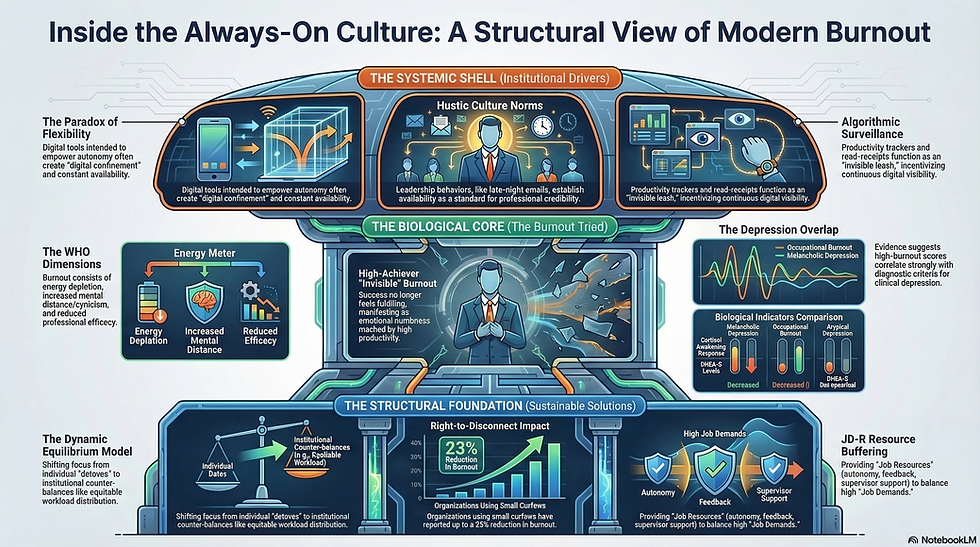
Balancing work and personal life feels like a constant challenge for many of us. The pressure to perform well at work while maintaining a fulfilling personal life can be overwhelming. This struggle often leads to burnout, a state of emotional, physical, and mental exhaustion caused by prolonged stress. Understanding how burnout culture affects us and learning ways to restore balance is essential for our mental health and overall well-being.
In this post, I will share insights on work-life balance, explore the impact of burnout culture, and offer practical strategies to help you regain control. I will also discuss how certain services, like telehealth therapy and medication management, can support your mental health journey.
What Is Work-Life Balance and Why Does It Matter?
Work-life balance means having a healthy separation between your job and your personal life. It allows you to meet work demands without sacrificing your health, relationships, or happiness. When balance is off, stress builds up, and burnout can follow.
Many people think work-life balance is about equal time for work and leisure. But it’s more about quality and boundaries. For example, being fully present at work during office hours and then disconnecting to enjoy family time or hobbies.
Why Work-Life Balance Is Important
Protects mental health: Reduces stress and anxiety.
Improves productivity: Rested minds work better.
Strengthens relationships: More time and energy for loved ones.
Enhances physical health: Less stress means fewer health problems.
Boosts overall happiness: Feeling in control leads to greater satisfaction.
Without balance, work can take over, leaving little room for rest or joy. This imbalance often feeds into burnout culture, where exhaustion and disengagement become common.
Understanding Burnout Culture and Its Effects
Burnout culture refers to the normalization of overworking and chronic stress in workplaces and society. It’s the idea that pushing yourself to the limit is expected or even admired. This culture can make people feel guilty for taking breaks or setting boundaries.
Burnout is more than just feeling tired. It includes:
Emotional exhaustion
Feeling detached or cynical about work
Reduced performance and motivation
Signs You Might Be Experiencing Burnout
Constant fatigue despite rest
Difficulty concentrating
Feeling overwhelmed or hopeless
Loss of interest in work or hobbies
Physical symptoms like headaches or stomach issues
Burnout affects not only your work but also your personal life and health. It can worsen mental health conditions like anxiety and depression.
How to Restore Balance and Prevent Burnout
Finding balance requires intentional effort and sometimes outside support. Here are some practical steps you can take:
Set Clear Boundaries
Define work hours and stick to them.
Turn off work notifications after hours.
Communicate your limits to colleagues and family.
Prioritize Self-Care
Schedule regular breaks during the day.
Engage in activities that relax and recharge you.
Maintain a healthy sleep routine.
Manage Stress Actively
Practice mindfulness or meditation.
Exercise regularly.
Seek social support from friends or support groups.
Use Professional Support When Needed
Sometimes, managing stress and burnout requires professional help. Services like telehealth therapy offer convenient access to mental health care from home. Telehealth allows you to connect with therapists who understand burnout and can guide you through coping strategies.
Medication management is another service that can help if burnout leads to or worsens mental health conditions. A psychiatrist can evaluate your symptoms and adjust medications safely to support your recovery.

Creating a Sustainable Work-Life Balance
Achieving balance is an ongoing process. Here are some tips to help you maintain it long-term:
Regularly review your priorities and adjust as needed.
Learn to say no without guilt.
Build a support network at work and home.
Use technology wisely to avoid constant connectivity.
Celebrate small wins and progress.
Remember, balance looks different for everyone. What matters most is finding what works for you and supports your well-being.

Balancing work and life is not just about managing time but also about caring for your mental health. Burnout culture can make this difficult, but with clear boundaries, self-care, and professional support like telehealth therapy and medication management, you can regain control.
If you feel overwhelmed, reaching out for help is a strong and positive step. Taking care of yourself is essential to living a fulfilling life both at work and beyond.
For more information on mental health services and support, consider exploring Refresh Psychiatry’s offerings to find resources tailored to your needs.
Take the first step today. Your well-being matters.