
🧬 GeneSight Test Cost and Coverage Guide

98% of patients pay $330 or less out of pocket for the GeneSight test, and many patients pay $0 through Medicare or Medicaid. Commercially insured and self-pay patients may also qualify for a patient cost of $330 or less, depending on their coverage and circumstances.
You may be searching for the answer after a frustrating medication experience. Perhaps an antidepressant caused side effects, failed to improve your symptoms, or left you wondering whether the next prescription will bring relief or another difficult trial. Cost matters in that decision, especially when a genetic test sounds like an additional expense on top of psychiatric visits and medication.
The important distinction is between the amount a laboratory or insurer may bill and the amount you personally owe. GeneSight's current patient-facing pricing framework focuses on limiting patient responsibility, but your actual cost still depends on insurance status, coverage rules, and whether the test is considered covered or non-covered. A qualified psychiatric provider can help you confirm whether testing makes sense clinically and clarify the billing process before the sample is processed.
Understanding the GeneSight Test and Its Purpose
GeneSight's current cost structure means that most patients pay no more than $330 out of pocket, while traditional Medicare Part B, Medicare Advantage covered tests, and Medicaid cases are typically reported as $0 out of pocket. GeneSight also says it will contact you before processing the test if its estimate suggests your personal responsibility would exceed $330. You can review the manufacturer's GeneSight cost information before agreeing to testing.
The test itself is a form of pharmacogenomic testing. It analyzes selected genetic variations that may affect how your body processes or responds to certain psychiatric medications. A useful analogy is a metabolic traffic light. Your DNA may suggest that your body processes a medication in a way that is broadly expected, more cautiously, or with a greater possibility of a medication-gene interaction. That information can help a prescriber decide which options deserve closer consideration.
Why a psychiatrist may suggest testing
GeneSight doesn't diagnose depression, anxiety, ADHD, bipolar disorder, PTSD, or another mental health condition. It also doesn't identify one guaranteed “best” medication. Instead, it adds another piece of information to a decision that should already include your symptoms, psychiatric history, previous medication trials, side effects, current medicines, medical conditions, and treatment goals.
A clinician may raise testing after you've experienced:
Uncomfortable side effects: A medication may affect sleep, energy, appetite, sexual functioning, digestion, or emotional range in a way you can't tolerate.
Limited benefit: Your symptoms may persist despite taking a medication as prescribed.
Repeated medication changes: Several unsuccessful trials can make the next choice feel increasingly uncertain.
Concerns about metabolism: Your prescriber may want additional information before adjusting a dose or selecting another medication.
The practical value is not that the test replaces careful psychiatric care. Its value is that it may help your prescriber narrow the conversation and identify medication options that warrant additional caution. The pharmacogenomic testing information from Refresh Psychiatry explains how genetic findings can be considered alongside a complete psychiatric evaluation.
Clinical perspective: A GeneSight report is a navigation tool for medication decisions, not a diagnosis and not a promise of symptom relief.
Realistic Cost Ranges and Historical Pricing Context
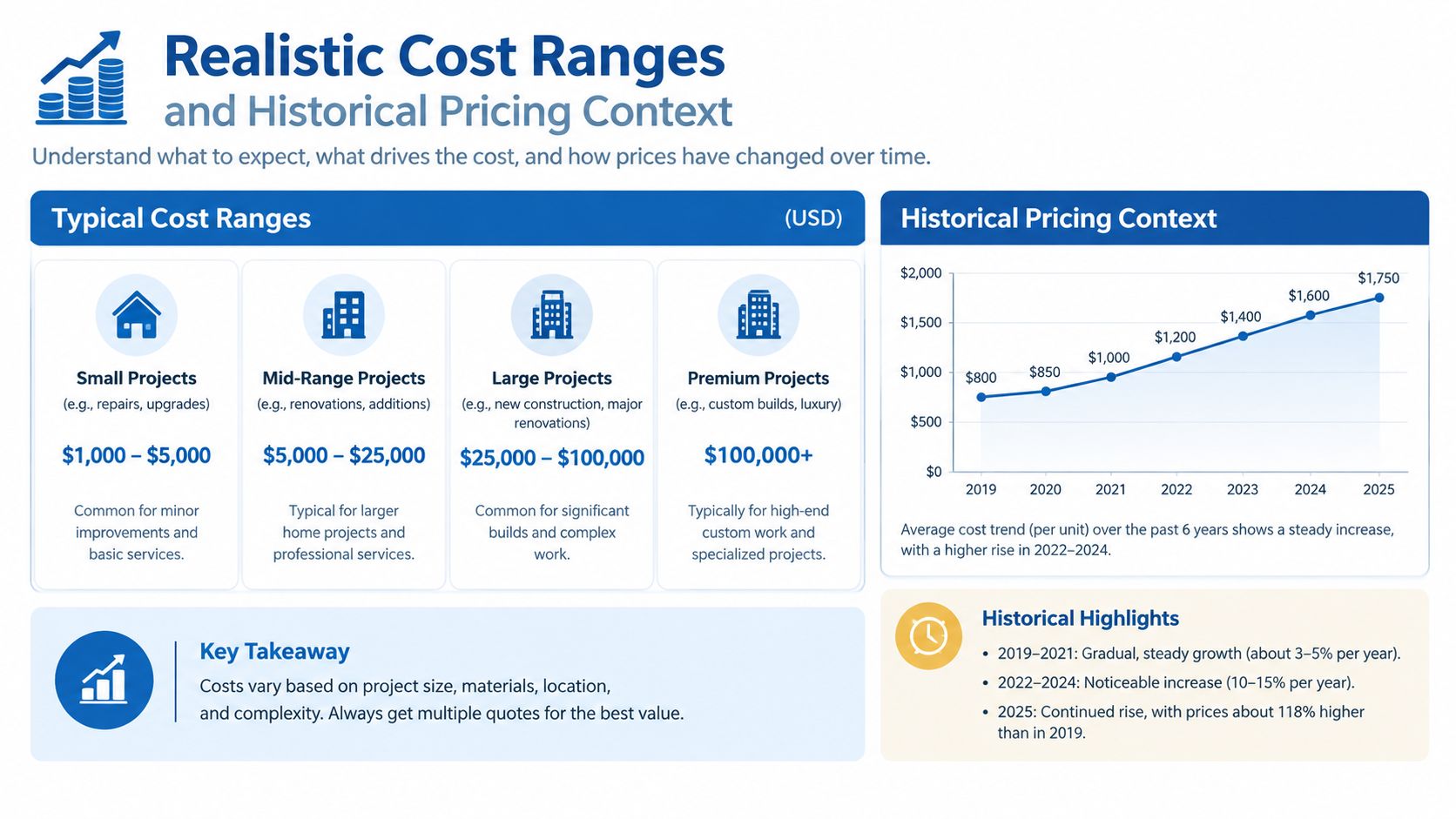
Patients often become alarmed when they find an older figure associated with GeneSight. An American Academy of Family Physicians review published in July 2021 reported a Medicare payment of $1,569 for the test, while also noting that the manufacturer said most patients paid between $0 and $330 out of pocket after insurance or financial assistance. Those figures describe different parts of the billing system, so they shouldn't be treated as contradictory.
The Medicare payment was a payer benchmark, not necessarily the amount an individual patient had to pay. Patient liability is the portion left after insurance coverage, negotiated reimbursement, and applicable assistance arrangements. The distinction is similar to seeing a provider's billed charge and assuming it equals your deductible or copay. It often doesn't.
Why the numbers can look so different
GeneSight doesn't present one universal consumer list price for every patient. Its current framework is tiered around insurance category and estimated patient responsibility:
Billing situation | What the available pricing information indicates |
|---|---|
Traditional Medicare Part B, covered Medicare Advantage, or Medicaid | Typical out-of-pocket cost is $0 |
Commercial insurance | Patient responsibility is generally capped at $330 or less under the stated framework |
Uninsured or self-pay | The patient may qualify for a cost of $330 or less under the stated framework |
Eligible balance of $100 or more | An interest-free payment plan may spread the bill over up to 12 months |
These arrangements show why asking only for the “price” can produce an incomplete answer. The meaningful question is, “What will I owe after my insurance and assistance options are applied?” GeneSight says eligible patients may use an interest-free payment plan for bills of $100 or more, with payments spread over up to 12 months. You can also compare the testing expense with other psychiatric care costs in this guide to psychiatrist visits with insurance.
The historical Medicare figure remains useful context, particularly for clinicians and patients reviewing older online information. It demonstrates that reimbursement amounts and patient liability are separate issues, and that affordability depends on payer policies, coverage decisions, and financial assistance rather than a stable retail price.
Insurance Coverage and Billing Realities
Insurance category has a major effect on what you may owe, but the word “covered” needs careful interpretation. Coverage can depend on the plan, the clinical circumstances, the ordering provider, and whether the insurer considers the test medically appropriate or covered under the patient's benefits.
For traditional Medicare Part B, Medicare Advantage, and Medicaid, GeneSight's patient information says the typical out-of-pocket cost is $0 when the test is covered under the applicable plan. That doesn't mean every Medicare or Medicaid situation follows the same process. If Medicare considers the test non-covered, the clinician must submit an Advanced Beneficiary Notice, or ABN, before GeneSight can deliver the test. The notice gives the patient an opportunity to understand potential responsibility before proceeding.
For commercial insurance, the test may be processed through the patient's plan, but the final responsibility can depend on deductible status, coinsurance, exclusions, and medical-necessity policies. GeneSight says commercial insurance cases are generally capped at $330 or less under its current patient pricing framework, and the company will contact the patient before processing if its estimate exceeds that amount. That notification is an important safeguard, but it isn't a substitute for asking the insurer about benefits.
Questions to ask before the cheek swab
Call the member-services number on your insurance card and ask:
Is GeneSight covered under my plan: Ask whether pharmacogenomic testing is included and whether restrictions apply.
What is my estimated responsibility: Ask whether your deductible, coinsurance, or copay affects the test.
Is prior authorization required: Find out whether the clinician must obtain approval before ordering.
Does the plan require a specific laboratory: Some plans apply different rules to in-network and out-of-network services.
What happens if Medicare considers it non-covered: Ask your clinician how an ABN would be handled before collection.
GeneSight's insurance billing guidance explains that the company bills insurance and contacts patients before processing when the estimated out-of-pocket cost would exceed $330. Its patient FAQ also describes the typical $0 public-insurance pathway and the capped framework for commercial or self-pay cases. For broader questions about psychiatric coverage, see this guide to whether insurance covers a psychiatrist.
Getting Tested via Telehealth in Florida
Florida residents can often complete the clinical discussion around GeneSight through a telehealth psychiatric evaluation. The workflow begins with a video appointment, not with a test ordered in isolation. During that visit, the psychiatrist reviews your symptoms, medication history, previous side effects, current prescriptions, medical conditions, and goals before deciding whether pharmacogenomic information could add value.
A practical telehealth workflow
First, schedule the evaluation. Choose a licensed psychiatric provider who can evaluate your condition and, when appropriate, order pharmacogenomic testing. Before the appointment, gather your medication names, doses if known, previous prescriptions, allergy information, and insurance details.
Next, complete the digital intake. The intake gives the clinician a starting point, but the video visit remains important. A form rarely captures the full context of why a medication was stopped, how long it was taken, or whether sleep, substance use, stress, medical illness, or another medication affected the outcome.
Then, discuss the financial pathway before testing. Ask whether the provider will submit the test to insurance, whether GeneSight will contact you if the estimate is above the stated patient threshold, and whether you may qualify for a payment arrangement. You can also ask what happens if your plan treats the service as non-covered.
After the order, collect the cheek swab. Depending on the clinical arrangement, the kit may be provided for at-home collection or handled through the ordering process. Follow the kit instructions precisely, return the sample through the designated channel, and keep any tracking or billing paperwork.
Finally, review the report with the prescriber. The report is most useful when the clinician compares it with your symptoms and treatment history. A follow-up video visit can address medication selection, dosing considerations, side-effect monitoring, and whether a non-medication treatment should be added or emphasized.
A telehealth model can remove travel from the process, but it doesn't remove the need for careful assessment. Refresh Psychiatry & Therapy is a Florida telemedicine-only practice that provides psychiatric evaluations, medication management, therapy, and pharmacogenomic analysis through virtual care. Patients considering this route can learn more about telemedicine psychiatry and ask whether the service is appropriate for their situation.
Turnaround can vary by laboratory processing and shipping, so ask the ordering office when it expects the report and how the results visit will be arranged. Don't change or stop a psychiatric medication while waiting for testing unless the prescribing clinician specifically instructs you to do so.
Clinical Benefits and Inherent Limitations
The strongest reason to consider GeneSight is practical. Finding an effective psychiatric medication can involve uncertainty, and side effects can discourage patients from continuing treatment. Genetic information may help a prescriber identify potential metabolism concerns or medication-gene interactions before recommending an option.
That benefit has limits. A person's response to medication depends on much more than DNA. Diagnosis, symptom pattern, dose, adherence, sleep, medical conditions, other prescriptions, supplements, substance use, stress, and the therapeutic relationship can all influence outcomes. A report may support a prescribing decision, but it can't account for every factor that affects recovery.
What the test can contribute
A thoughtful prescriber may use the report to:
Refine medication discussions: Genetic findings can help explain why certain options deserve caution or additional monitoring.
Review past experiences: A difficult reaction or poor response may become more informative when considered with the patient's broader history.
Support dose decisions: In some situations, metabolism-related information may prompt a clinician to consider a dosing adjustment or another medication.
Create a monitoring plan: The provider can identify which symptoms or side effects should prompt a follow-up call or visit.
The color-coded report is designed to make medication-gene considerations easier to discuss, but color isn't a treatment plan. A medication placed in a favorable category may still fail to relieve symptoms, while a medication requiring caution may remain reasonable when clinical circumstances support its use.
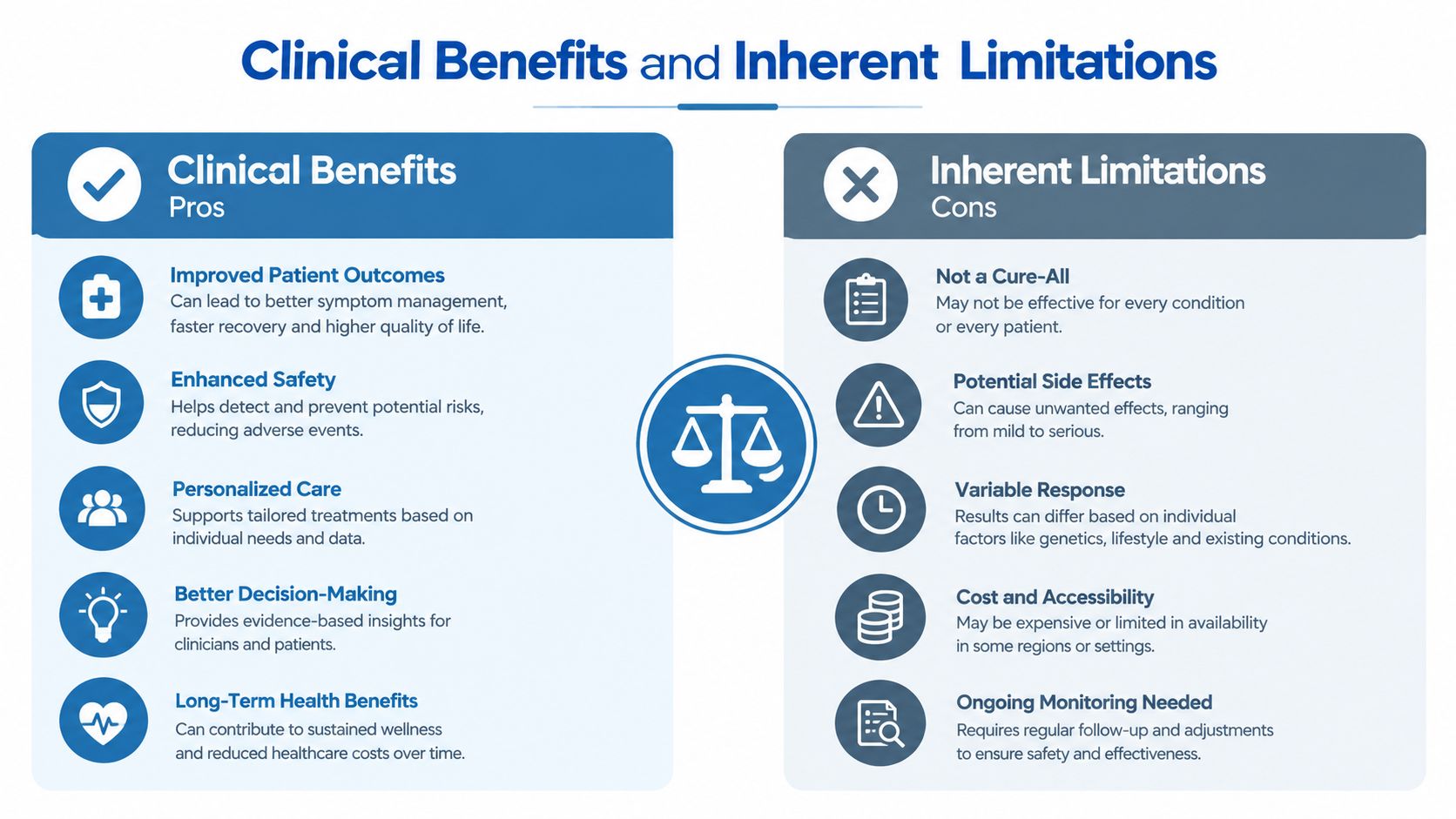
A balanced expectation: GeneSight may reduce uncertainty around selected medications, but it doesn't eliminate the need for diagnosis, follow-up, symptom tracking, and shared decision-making.
When another approach may be better
Not every patient needs pharmacogenomic testing. Standard psychiatric evaluation and careful medication monitoring may provide enough information, particularly when a patient is starting treatment and has no history suggesting unusual side effects or repeated medication failures. A clinician may also consider other laboratory testing when symptoms could reflect a medical condition, medication interaction, or another physiological issue.
The right question isn't whether GeneSight is universally useful. It's whether the likely information will change a specific prescribing decision for you. Patients interested in comparing related testing options can discuss Genomind testing and pharmacogenomic care with a qualified prescriber, while recognizing that no test replaces individualized clinical judgment.
Frequently Asked Questions and Next Steps
Does the DNA sample need to be repeated?
Your underlying DNA doesn't change, so a genetic result generally remains relevant as genetic information. However, a clinician may still request additional testing if the clinical question changes, the original sample can't be processed, or a different test examines different genetic information. Ask the ordering office how it stores and uses the report.
How should I read the color-coded report?
Treat the colors as prescribing considerations, not rankings of medications from “good” to “bad.” A category may indicate that a medication deserves standard use, added caution, dose consideration, or closer monitoring based on the genetic information examined. Your psychiatrist should explain what the category means for your current symptoms and treatment history.
Does a favorable category guarantee success?
No. GeneSight doesn't diagnose a condition or guarantee that a medication will work. It provides additional information that a prescriber weighs with your symptoms, past treatment response, side effects, current medicines, and medical history.
What should I do before ordering?
Write down the medications you've tried, what happened with each one, and how long you took it if you remember. Bring your insurance card and ask who will order the test, how the sample will be collected, how the report will be reviewed, and what your estimated responsibility will be before processing.
Which insurance plans does Refresh Psychiatry accept?
Refresh Psychiatry accepts Aetna, United Healthcare and UHC, Cigna, Blue Cross Blue Shield, Humana, Tricare, UMR, and Oscar insurance plans. Benefits can vary by plan, so verify coverage for your specific policy and ask whether pharmacogenomic testing requires authorization or has separate cost-sharing rules.
GeneSight cost questions are best answered before the cheek swab, not after a bill arrives. A psychiatric evaluation can determine whether testing is clinically relevant, while the laboratory and insurer can clarify the financial pathway.
Refresh Psychiatry & Therapy offers Florida telepsychiatry evaluations, medication management, therapy, and pharmacogenomic testing discussions for patients considering more personalized psychiatric care. Contact Refresh Psychiatry & Therapy or call Refresh Psychiatry at (954) 603-4081 to schedule your evaluation. This blog is for informational purposes only and does not constitute medical advice. Please consult a qualified mental health professional for personalized guidance.